

Installing a pet flap on your French or Patio doors is a good idea if you own pets such as a cat or dog. It allows them to go in and out without you having to open the door.
There are many options for cat flaps that are designed to fit in uPVC or composite doors, as well as wooden doors. Some come with a 4-way locking system that can be set for exit only, in-only, or open.
Installation
Cat flaps are a great method to let your cat into and out of your home without opening the front door each time. This is especially beneficial for cats who are keen to get out and explore the area or spend time with their feline pals. Cat flaps are also a great option to keep unwanted animals from your home.
There are many different kinds of cat flaps for french doors, including traditional two-way pet flaps as well as microchip cat flaps. Microchip cat flaps can recognize the microchip embedded in your pet's collar or tag, and allow only your pet's enter. This will prevent stray cats and neighbouring cats from entering your home. This is crucial for security-conscious homeowners.
It is essential to make sure that the hole in the cat flap is free of obstructions and clean prior installing it. To do this, use an sandpaper piece and smooth the edges. Use coarse sandpaper for removal of material and fine sandpaper to give smooth edges. Be careful not to remove excessive amounts of material since this could weaken the door's structure.
You can start cutting it out after you have made sure the opening is clean, free of debris, and is not obstructed. Be sure to wear safety goggles and a mask because dust particles could cause health problems for you. Once the opening rough has been cut, you can start fitting your cat flap. When installing a cat flap inside glass doors you must employ a professional glazier who has experience working with glass doors.
You can install a cat flap on a wood or uPVC front door using an jigsaw, and little DIY knowledge. However, if you have a French door with several glass panes it is best to contact a glazier for assistance.
After installing your cat flap, it will take a while for your cat to adjust to it. You can accelerate the process by placing your cat's favourite treats near the flap. You can also wipe the inside of the flap with a the help of a cloth with the scent of your cat to help them to recognise the cat door and believe it.
Functions
A cat flap lets cats to enter or exit the home without your assistance. They are available in a variety of sizes and come with a broad range of functions that give you control over your pet's access. Some models, for example can be locked at night or allowed to be used after a specified time. Microchip cat doors are another option. They are able to recognize the microchip of your pet to allow entry. These are great for families with multiple pets.
Some cat owners would prefer to install a cat flap on the wall instead of a door. While this type of installation can be somewhat more expensive, it could be easier to install and more in line with the design of your home. This is also a great alternative for those who don't want to cut through wooden doors or walls particularly in the event of moving in the future.
You can teach your cat to use a cat flap by luring it through with their favorite food or toy. You can also try using herbs that are known for attracting cats, such as valerian, cat germander and clary sage. You can also get your cat to use a cat flap by propping the door open using pieces of wood. Let them come in and observe how it works. It might take a while for them to get used to the concept, but eventually they will learn to push through the cat flap on their own.
You can also install glass-fitted cat flaps to your patio or French door. They are more difficult to install but they are also more discrete than traditional cat flaps, and permit the door to operate normally. Some models also have a four-way lock that can be set to enter only, out only completely closed, or unlocked.
Many people are hesitant about entering their homes, especially when it comes to glass doors and windows. cat flap installation flaps for glass doors can be an excellent solution for those who do not want to compromise on home security or aesthetics. Closer Pets has glass fittings and larger cat flaps fitted with glass that can be integrated into a sliding panel to let the door open fully.
Safety
There are a number of security features to take into consideration when selecting the ideal cat flap for your home. They include anti-trapping, lockable options as well as motion-activated lights. A lot of these features will warn potential intruders and scare them away before they cause any damage or enter the home. This is crucial, particularly when you have an outdoor or indoor pet.
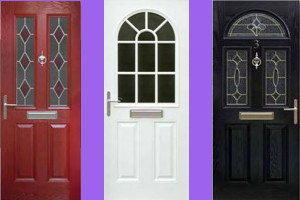
One method to ensure your pet's safety from intruders is by using an entry door that detects your cat's microchip or collar key, and opens the door only for them. It also comes with a draft excluder that helps insulate and reduce the energy costs. This type door is an excellent option for pet owners who reside in cold climates or wish to ensure their pets are safe from unwanted visitors.
When you are purchasing a cat flap for your French door, you must to be sure that the opening is the correct size for your pet. Small pets might struggle to fit into the opening of the flap. It is therefore important to measure the pet's weight and height to determine the proper size of the flap. If you are unsure about the measurement, a flexible cat flap that can be adjusted to fit your pet's needs is a good option.
Another important safety feature is the door lock. The lock holds the flap in place and stops your pet from escaping. You can lock it using keys or a button on the front of the cat flap, or you can manually shut it with the door handle. You can stop your cat from running into the road and chase cars by locking it.
The Hale doors have dual PVC vinyl flaps and stainless steel strikes. They also come with high-quality alnico magnetic locks as well as a high-density polyethylene security cover that can be locked at night. The hinges are constructed of extruded aluminium, and reinforced by steel at the corners. These are the most secure cat flaps on the market.
Certain cat owners prefer rigid flap doors that are designed to be chewproof and have an adjustable catch. Kennel owners utilize these doors to manage the flow and number of pets entering or leaving their facility. They are more expensive than other kinds of pet doors, but well worth the investment. They're also easy to set up and can be put on many doors.
Cost
Addition of a cat flap to your home will allow your pet to roam free. It will also eliminate the need to play doorman every time they need to go out or enter. Installing a cat flap will be difficult if your double-glazed door is already installed. Get a glazier to put the pet flap on your French or Patio door without the security or aesthetics being compromised.
A professional who is a glazed door expert will create a panel with a hole that is pre-cut for your cat flap, and then put it in the glass pane that is already on your double-glazed French or patio doors. The professional will make sure the panel is sealed to stop drafts from entering your home. The glazier may also provide a maintenance program for your cat flap to keep it in good condition.
There are many different types of cat flaps that you can choose from. Some are designed to last and include security features, such as electronic mechanisms that sync with your cat's microchip, collar key or collar, making it safe for the cat to go in and out. You can choose from a variety of sizes, and even frosted models to create a subtle appearance.
If you are interested in installing a cat flap on your French or patio doors, it is crucial to take measurements of your pet and select a door for your pet that is large enough to accommodate them. Measure your pet's height and weight to determine the space required to pass through the opening. You can make use of a tape to accurately measure or ask a friend to assist you.
A glazier can put cat flaps on any kind of glass door, including uPVC, composite or wood. They can assess your home, recommend the most appropriate cat-flap for your needs, and give suggestions and prices for the installation. They will also be acquainted with any local regulations and building codes for cat flaps, so you can rest assured that your door will comply with all requirements.